Mold Remediation Services
Mold in Utah Homes: What You Need to Know
Mold is more common in Utah than most homeowners expect. Despite our dry climate, the combination of older home construction, basement living spaces, and Utah's occasional heavy moisture events creates ideal conditions for mold growth. It can develop behind walls, under flooring, and inside HVAC systems — often invisible until it becomes a significant health and structural problem.
Utah's temperature swings between winter and summer also cause condensation inside walls, especially in homes without proper vapor barriers. If your home has ever had a water leak, roof issue, or flooding event, a mold inspection is a smart precaution.
Our Mold Remediation Process
Mold removal isn't just cleaning visible growth — it requires finding and eliminating the moisture source, or the mold will return. Here's how we approach it:
1. Inspection & testing — We identify all areas of mold growth and locate the underlying moisture source causing it.
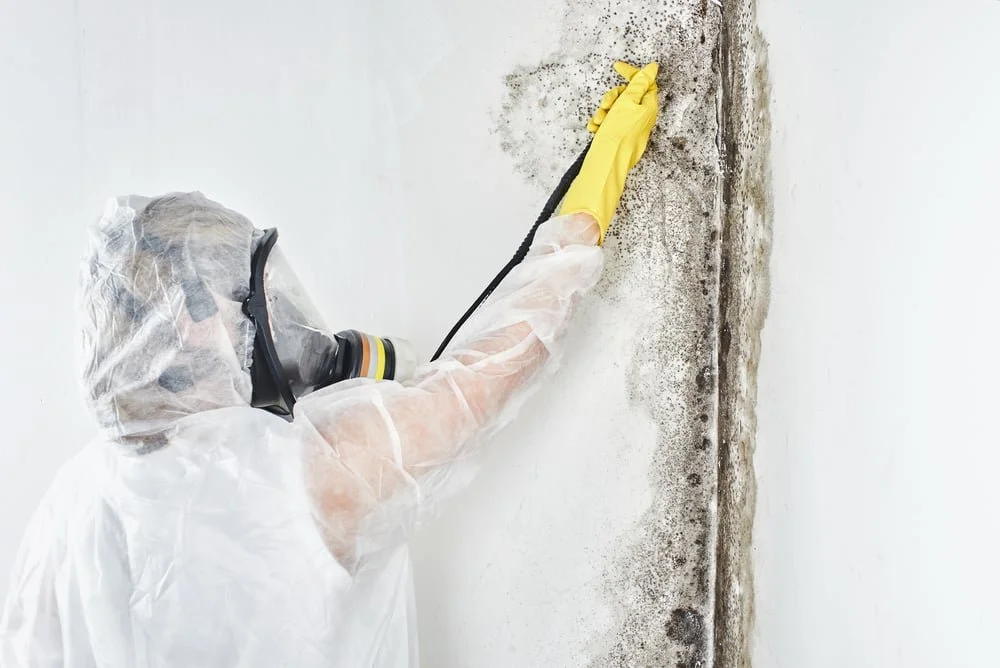
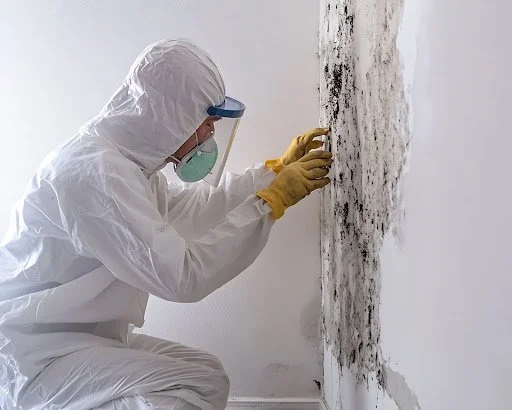
2. Containment — Affected areas are sealed off to prevent spores from spreading to other parts of your home during removal.
3. Removal — We safely remove all mold-affected materials and treat surfaces with professional-grade antimicrobial solutions.
4. Air purification — HEPA filtration clears airborne spores and restores healthy indoor air quality.
5. Prevention — We address the root moisture issue and apply treatments to inhibit future growth.
We Work With Your Insurance
Many homeowners don't realize that mold remediation may be covered under their homeowners policy — especially if it resulted from a covered water loss. Robbins Restoration helps you document the damage properly and communicate with your insurer so you can get the coverage you're entitled to.
Frequently Asked Questions
Is mold dangerous?
Some mold types, including black mold (Stachybotrys), can cause serious respiratory issues, especially for children, the elderly, and anyone with asthma or allergies. Even common molds cause symptoms in sensitive individuals. When in doubt, get it checked.
Can I clean it myself?
Small surface mold on non-porous materials can sometimes be cleaned with the right products. But if mold covers more than 10 square feet, is inside walls or HVAC, or keeps coming back, professional remediation is the right call.
How do I know if I have mold?
Common signs include a musty odor, visible dark spots on walls or ceilings, unexplained allergy symptoms, or a history of water damage. We offer free estimates and can assess your situation at no cost.
Mold Remediation Services
Mold Inspection & Assessment
Comprehensive evaluation to identify mold presence, sources of moisture, and affected areas.
Moisture Source Identification & Repair
Finding and fixing the water intrusion or humidity issue causing mold growth.Containment Setup
Sealing off affected areas with plastic sheeting and negative air pressure to prevent mold spores from spreading.HEPA Air Filtration
Use of high-efficiency particulate air scrubbers and vacuums to capture airborne mold spores and improve air quality.Mold Removal & Disposal
Safe removal of mold-contaminated materials such as drywall, insulation, flooring, and furniture.Antimicrobial Treatment
Application of EPA-registered antimicrobial agents to eliminate mold and inhibit future growth.Structural Drying
Thorough drying of materials to remove excess moisture and prevent mold from returning.Content Cleaning & Decontamination
Cleaning and sanitizing of salvageable personal items exposed to mold.Post-Remediation Verification
Final inspection or third-party clearance testing to confirm the mold remediation was successful.Reconstruction Services
Rebuilding and restoring any areas that required demolition during the remediation process.